
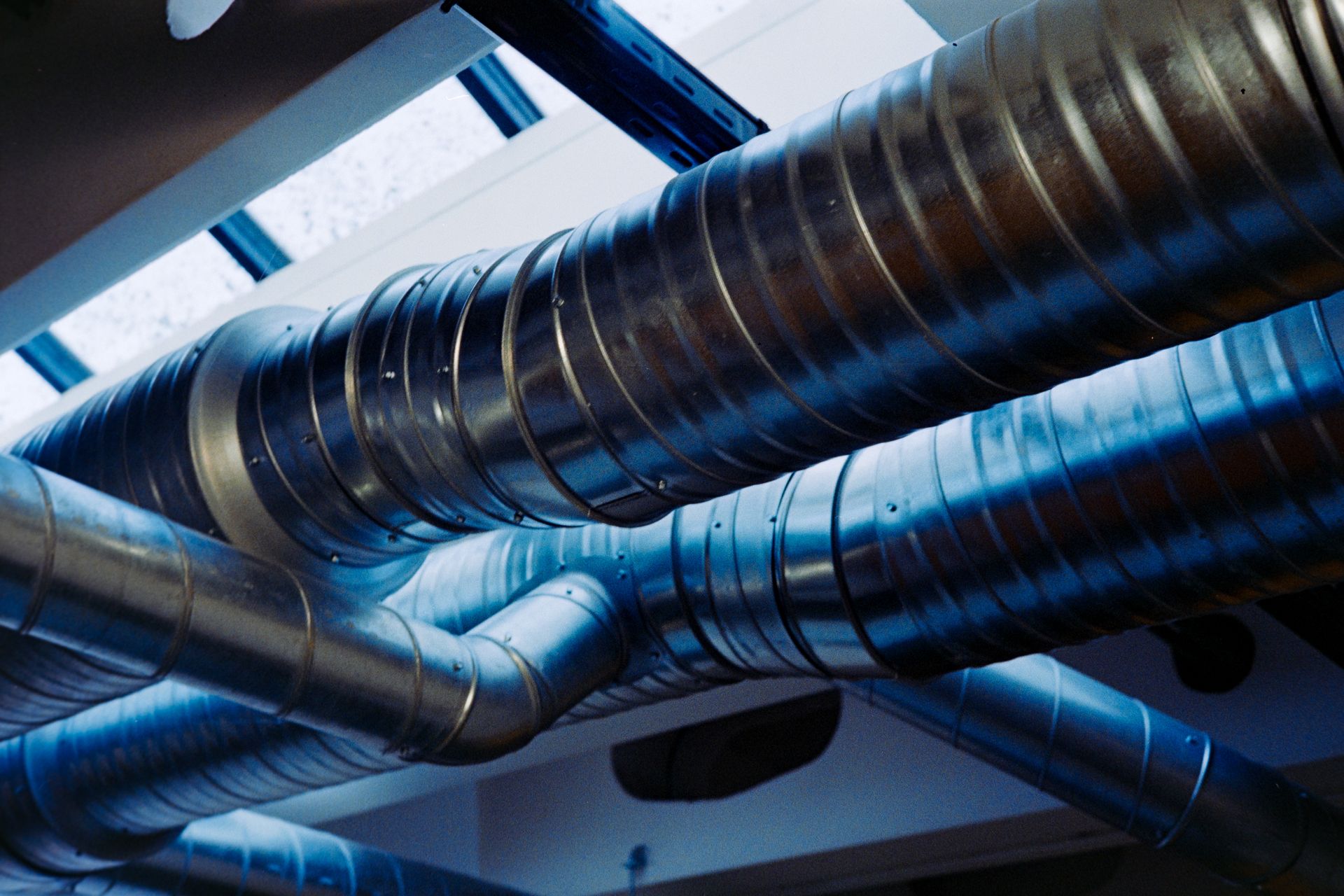
How Often Should You Clean Your AC Ducts? Facts to Check
Your AC can look perfectly clean while a surprising amount of dust sits inside the ductwork above your head. Air Duct Cleaning Equipment can help professionals inspect and handle the job properly. But here is the interesting part: there is no magic calendar date that says every home needs duct cleaning every year.
So, How Often Do Ducts Need Cleaning?
For many homes, duct cleaning does not need to happen every year. The Environmental Protection Agency generally recommends cleaning when there is a specific reason, such as visible mold, pests, or substantial dust and debris inside the system. Cleaning too frequently can mean spending money on a job your home simply does not need. A practical inspection every few years can still make sense, especially in homes with heavy dust, renovations, pets, or older HVAC systems. The actual timing depends on the home’s condition and the ductwork itself. Think of it like cleaning under your sofa. You check it because you suspect something is happening down there, not because the calendar told you Tuesday was Dust Day.
Signs Your Ducts May Need Attention
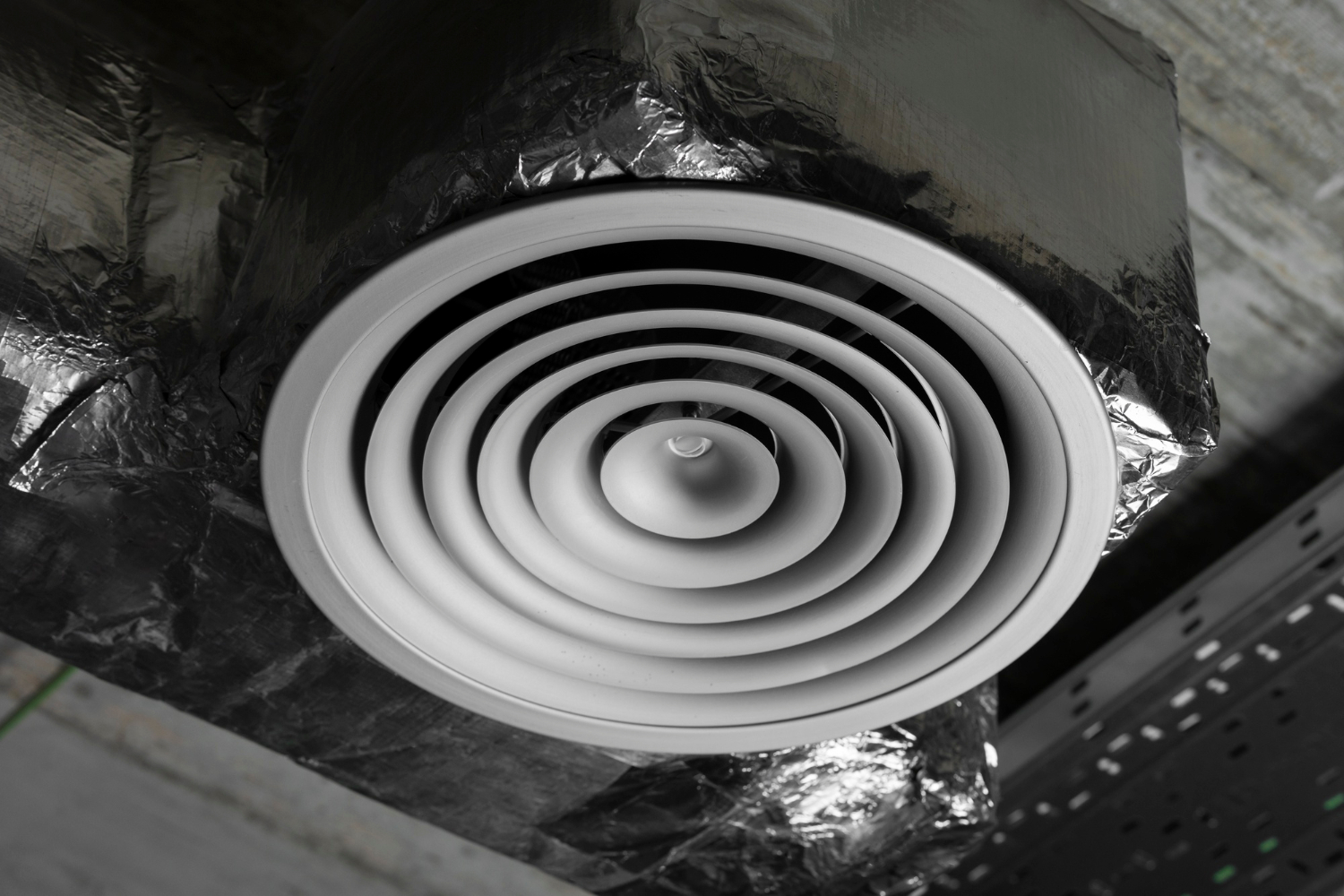
Visible dust around supply vents is one clue, especially if cleaning the vent does little to solve the problem. You might also notice musty odors when the AC starts running. Unexplained debris coming from vents is another reason to investigate. These signs do not automatically prove the ducts are dirty, but they deserve a closer look. Mold growth inside hard surfaces of the duct system is a more serious concern. So are signs of insects or rodents getting into the ductwork. If you spot these problems, do not simply spray something into the vent and hope for the best. The source needs to be identified and handled safely.
What Happens During Duct Cleaning?
A professional duct cleaning usually involves inspecting accessible parts of the HVAC system before removing accumulated debris. Depending on the system, technicians may clean supply and return ducts, registers, grilles, and other components. Specialized tools can loosen and collect dust instead of simply pushing it farther through the system. That distinction matters. A proper job should also consider the HVAC unit itself. Dirty coils, filters, or other components can affect airflow even if the ducts are reasonably clean. Cleaning one part while ignoring the rest is like washing your kitchen floor while leaving a mountain of crumbs on the counter. You may feel productive, but the problem is still hanging around.
Does Every Home Need Professional Cleaning?
No. If your ducts are clean, dry, intact, and free from visible contamination, routine professional cleaning may offer little benefit. Replacing HVAC filters regularly is often a more useful maintenance habit for keeping airborne particles under control. Your filter is the small but mighty bouncer standing between your indoor air and a lot of unwanted dust. However, homes with pets, smokers, recent construction, water damage, or persistent indoor dust may need closer attention. Older systems can also benefit from an inspection if airflow or air quality seems different. The goal is to identify an actual problem rather than create one on the cleaning schedule.
A Simple Way to Decide
Start by checking your vents, filters, and accessible duct areas. Look for visible buildup, unusual smells, moisture, mold, or signs of pests. If everything looks clean and your system is working normally, there may be no urgent reason to book a cleaning. That can save you a trip, some money, and possibly an afternoon spent wondering why your house suddenly smells like a dusty attic. If you do spot contamination or persistent problems, have the HVAC system assessed by a qualified professional. Duct cleaning is most useful when there is something worth removing. A clean home is great, but smart home maintenance is about solving real problems rather than cleaning things simply because someone says you should.…